
Archives June 2023

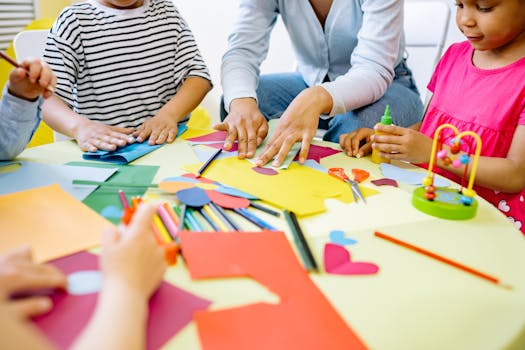
Cultivating Curious Minds: Essential Ways to Develop Critical Thinking in Elementary Students

Did you know that by the age of 7, children are already forming complex opinions about the world around them? This early stage is crucial for shaping how they’ll process information for years to come. Developing critical thinking skills isn’t just about acing tests; it’s about equipping young learners with the ability to analyze, evaluate, and create. It’s about building independent thinkers ready to tackle an ever-changing world. So, how do we actively foster this vital skill set in our elementary students? Let’s dive into actionable strategies that make a real difference.

Beyond Rote Memorization: Why Critical Thinking Matters Now

For too long, education has sometimes leaned heavily on memorization. While foundational knowledge is important, it’s the ability to use that knowledge that truly empowers children. Critical thinking allows them to question assumptions, identify biases, and approach problems with a reasoned perspective. In my experience, children who are encouraged to think critically become more engaged learners, asking “why?” and “how?” rather than just accepting information at face value. This proactive approach to learning is a game-changer.

Sparking Inquiry: The Power of “Why” Questions

One of the most straightforward yet potent ways to develop critical thinking in elementary students is by consistently asking “why” and encouraging them to do the same. This isn’t about interrogation; it’s about genuine curiosity.

Model the behavior: When a child tells you something, instead of just agreeing, ask, “Why do you think that?” or “What makes you say that?”
Encourage peer questioning: Create a classroom or home environment where children feel safe to question each other’s ideas respectfully.
Connect to real-world scenarios: Discuss news headlines, advertisements, or even everyday events and ask, “Why might this be happening?” or “Why did they make that choice?”

Problem-Solving Through Play and Projects

Play isn’t just frivolous fun; it’s a rich training ground for critical thinking. Hands-on activities, especially those with an open-ended nature, naturally invite problem-solving.

#### Building Blocks of Logic: Design Challenges

Construction tasks: Give children materials like LEGOs, cardboard boxes, or craft sticks and a challenge, such as “Build the tallest tower that can stand on its own” or “Create a bridge that can hold a toy car.” They’ll need to plan, test, and adapt their designs.
Logic puzzles: Age-appropriate puzzles, like Sudoku for kids, tangrams, or even simple pattern recognition games, sharpen their analytical abilities.
Scenario-based games: Create scenarios where they have to make choices with consequences. For example, a “survival” game where they need to decide which items are most important.

Analyzing Information: From Stories to Science

Teaching children to analyze information is a core component of how to develop critical thinking in elementary students. This applies to everything from storybooks to scientific observations.

#### Deconstructing Narratives and Data

Story analysis: After reading a book, go beyond “Did you like it?” Ask: “Who was the main character? What problem did they face? How did they solve it? What do you think would have happened if…?”
Fact vs. Opinion: Introduce the concept of distinguishing between what is a proven fact and what is someone’s belief. This is particularly important in our media-saturated world.
Observational skills: When exploring nature or conducting simple science experiments, encourage them to observe details. “What do you see? What do you hear? What does it smell like? How is it different from yesterday?”

Fostering Decision-Making Skills

Empowering children to make decisions, even small ones, builds their confidence and their ability to weigh options. This directly contributes to developing critical thinking.

#### Empowering Choice and Consequence

Choice boards: Offer choices in activities, learning materials, or even snack options. This teaches them that they have agency.
Consequence discussions: When a child makes a choice, talk through the outcome. “You chose to play with the blocks first, so now you have less time for drawing. Was that a good trade-off?”
Ethical dilemmas (simplified): Present simple moral quandaries. “If you saw someone drop their toy, what would be the right thing to do? Why?”

The Role of Collaboration in Critical Thought

Working with peers provides a dynamic environment for critical thinking. Children learn to articulate their ideas, listen to others, and compromise.

#### Shared Problem-Solving

Group projects: Assign tasks that require teamwork, like creating a presentation or designing a classroom game. Students must negotiate ideas and resolve disagreements.
Debates (informal): Organize gentle debates on simple topics. “Is it better to play inside or outside on a rainy day?” Encourage them to present reasons for their stance.
* Peer teaching: When students explain concepts to each other, they solidify their own understanding and identify gaps in their thinking.

Wrapping Up: The Lifelong Advantage of a Critical Mind

Investing time and effort into how to develop critical thinking in elementary students is one of the most profound gifts we can give them. It’s not about turning them into tiny philosophers overnight, but about nurturing their innate curiosity and equipping them with the tools to navigate complex situations. By encouraging questions, embracing problem-solving through play and structured activities, teaching them to analyze information, fostering decision-making, and leveraging the power of collaboration, we are building a foundation for lifelong learning and success.

So, as you continue on this journey, consider this: What one small, everyday opportunity can you seize today to intentionally encourage a child to think a little deeper, question a little more, or analyze a little closer?


Beyond the “Quick Fix”: Crafting a Sustainable Healthy Lifestyle Through Tiny, Powerful Changes

We’ve all been there. The New Year’s resolution that fizzles out by February, the intense workout plan that feels more like a punishment than a pleasure, or the restrictive diet that leaves you dreaming of pizza. The truth is, achieving a truly healthier lifestyle isn’t about grand gestures or overnight transformations; it’s about the steady accumulation of small, consistent choices. Building a healthier lifestyle with simple, actionable habits is less about willpower and more about smart strategy. It’s about weaving well-being into the fabric of your everyday life, making it feel less like a chore and more like second nature.

Why Small Steps Lead to Big Leaps

The allure of a dramatic overhaul is powerful, but often unsustainable. Our brains are wired to resist massive change, preferring the comfort of the familiar. This is precisely why focusing on “building a healthier lifestyle with simple, actionable habits” is so effective. These micro-changes are less intimidating, easier to implement, and build momentum. Think of it like building a sturdy wall – each brick, no matter how small, is essential for the overall structure. By focusing on these foundational pieces, you create a more resilient and lasting change.

Cultivating a Healthier Mindset: The Foundation of Action

Before we dive into physical habits, let’s address the mental landscape. A healthy lifestyle begins with a positive and realistic perspective.

#### Shifting Your Perspective on “Healthy”

Often, we equate “healthy” with deprivation or extreme effort. It’s time to redefine that. Healthy can mean feeling energized, sleeping soundly, managing stress effectively, and enjoying the foods that nourish you. It’s about progress, not perfection. In my experience, forgiving yourself for occasional slip-ups is far more conducive to long-term success than beating yourself up.

#### The Power of Micro-Goals

Instead of aiming to “eat better,” try a micro-goal like “add one serving of vegetables to dinner tonight.” For exercise, it could be “take the stairs instead of the elevator once today.” These tiny wins build confidence and create a positive feedback loop, making you more likely to stick with them.

Fueling Your Body: Simple Nutrition Habits

What we eat significantly impacts our energy levels, mood, and overall well-being. You don’t need to become a gourmet chef overnight to eat more healthily.

#### Hydration: The Unsung Hero

This is perhaps the simplest, yet most impactful, habit. Drinking enough water is crucial for everything from cognitive function to digestion.

Actionable Tip: Keep a reusable water bottle with you at all times and sip throughout the day. Set reminders on your phone if needed. Aim for at least 8 glasses, but listen to your body’s thirst signals.

#### Mindful Eating: More Than Just What You Eat

How you eat matters just as much as what you consume. This involves paying attention to your hunger cues and enjoying your meals.

Actionable Tip: Slow down. Put your fork down between bites. Chew thoroughly. Try to eat without distractions like your phone or TV. This helps you recognize when you’re full, preventing overeating.

#### Strategic Snacking: Smart Choices for Sustained Energy

Skipping meals or relying on processed snacks can lead to energy crashes. Smart snacking can bridge the gap and keep you going.

Actionable Tip: Keep healthy snacks readily available, such as fruits, nuts, yogurt, or vegetable sticks with hummus. Plan these snacks to avoid impulse choices when hunger strikes.

Moving Your Body: Making Every Step Count

The idea of dedicated gym time can be daunting. Thankfully, integrating movement into your day is much more accessible than you might think. The key to building a healthier lifestyle with simple, actionable habits often involves making movement a natural part of your routine.

#### Embracing Non-Exercise Activity Thermogenesis (NEAT)

NEAT refers to the energy expended for everything we do that is not sleeping, eating, or structured exercise. It’s the fidgeting, the walking around, the standing.

Actionable Tip: Park further away from your destination. Take short walking breaks during your workday. Stand up while talking on the phone. Even small bursts of activity add up significantly over time.

#### Finding Joy in Movement

Exercise shouldn’t feel like a chore. Explore different activities until you find something you genuinely enjoy.

Actionable Tip: Try a brisk walk in nature, dancing to your favorite music, a gentle yoga session online, or even playing active games with children or pets. Consistency is far more important than intensity when you’re just starting out.

Prioritizing Rest and Recovery: The Foundation of Well-being

In our fast-paced world, sleep and rest are often the first casualties. However, adequate rest is non-negotiable for a healthy lifestyle.

#### The Magic of Consistent Sleep

Quality sleep is vital for physical and mental restoration. It impacts everything from your immune system to your ability to focus.

Actionable Tip: Aim for a consistent bedtime and wake-up time, even on weekends. Create a relaxing bedtime routine, such as reading, taking a warm bath, or listening to calming music. Make your bedroom a sanctuary for sleep – dark, quiet, and cool.

#### The Art of the Micro-Break

You don’t need to take an hour-long nap to feel refreshed. Short, intentional breaks can make a world of difference.

Actionable Tip: Schedule short “recharge” moments throughout your day. This could be 5-10 minutes of deep breathing, a brief walk outside, or simply closing your eyes and resting. These pauses help prevent burnout and improve productivity.

Nurturing Your Mental Health: Simple Habits for Emotional Resilience

Physical health is intrinsically linked to mental well-being. Incorporating simple habits can significantly boost your emotional resilience.

#### The Practice of Gratitude

Focusing on what you’re thankful for can shift your perspective from scarcity to abundance, fostering positivity.

Actionable Tip: At the end of each day, take a moment to write down or mentally list three things you are grateful for. They can be as simple as a warm cup of coffee or a kind word from a stranger.

#### Mindfulness in Everyday Moments

Mindfulness isn’t about emptying your mind; it’s about being present with your thoughts and feelings without judgment.

* Actionable Tip: Practice mindful breathing for a few minutes each day. Focus on the sensation of your breath entering and leaving your body. You can also bring mindfulness to everyday activities, like washing dishes or walking, by paying full attention to the sensations involved.

Building Your Personal Ecosystem of Well-being

Remember, building a healthier lifestyle with simple, actionable habits is a personal journey. What works for one person might not work for another. The most effective approach is to experiment, be patient with yourself, and celebrate every small victory. It’s about creating a sustainable system that supports your long-term health and happiness.

Wrapping Up: Is Your Health a Priority or an Afterthought?

The power to transform your well-being lies not in drastic measures, but in the consistent application of small, manageable habits. By focusing on hydration, mindful eating, integrated movement, quality rest, and mental well-being, you create a robust foundation for lasting health. These actionable steps are designed to be woven seamlessly into your life, making a healthier lifestyle not an aspiration, but a lived reality. So, I ask you: will you continue to see your health as a future project, or will you start building it, brick by simple brick, starting today?

Unlock Your Kitchen’s Potential: Building the Perfect Custom Pantry

Did you know that the average kitchen cabinet can be up to 30% inefficiently used? That’s a lot of wasted space and misplaced items! For many of us, a standard pantry simply doesn’t cut it. It’s too shallow, too deep, or just not configured for our specific needs. This is where the magic of a custom pantry comes in. Building one might seem daunting, but with the right approach, you can transform a neglected corner or an underutilized space into a highly functional, beautifully organized extension of your kitchen. Ready to ditch the chaos and embrace culinary order? Let’s dive into how to build a custom pantry for your kitchen.

Why Go Custom? Beyond the Basics

Before we grab our tools, let’s solidify why this project is worth your time. A custom pantry isn’t just about shelving; it’s a strategic investment in your home and your sanity.

Tailored Storage: Standard pantries offer a one-size-fits-all solution. A custom build means shelves at the perfect height for your cereal boxes, deep enough for bulk buys, and perhaps even angled for easier access to spices. You design it for your life.
Maximized Space: We’ll explore how to convert awkward corners or even dead space into valuable storage real estate. It’s about making every inch work harder.
Improved Organization & Aesthetics: A well-designed pantry means everything has its place. This not only reduces clutter but can also elevate the overall look and feel of your kitchen.
Increased Home Value: A functional and attractive custom pantry is a significant selling point, adding tangible value to your property.

Planning Your Pantry Paradise: Measure Twice, Build Once

This is arguably the most crucial stage. Rushing here will lead to headaches later. Think of it as designing your dream closet, but for your food.

#### Assessing Your Needs & Space

First, take stock of what you need to store.
Food Items: Canned goods, dry goods (pasta, rice, flour), snacks, cereals, spices, oils, condiments, baking supplies.
Small Appliances: Mixers, blenders, food processors you don’t use daily.
Linens & Extras: Extra paper towels, cleaning supplies (if not stored elsewhere), table cloths.

Next, identify your space. This could be:
A walk-in closet.
A shallow reach-in closet.
A dedicated corner of a large kitchen.
Even a repurposed nook under the stairs.

#### Designing the Layout: Function Meets Form

Now, let’s sketch it out. Consider these design elements:

Shelving Depth and Height: Standard shelves are often 12-16 inches deep. Deeper shelves (20-24 inches) can be great for bulk items or appliances, but ensure you can still reach the back. Vary shelf heights to accommodate different items. Some designers recommend adjustable shelving for maximum flexibility.
Shelf Material: Plywood (birch or oak) is a durable and attractive option. Melamine-coated particleboard is budget-friendly and easy to clean.
Configuration:
Floor-to-ceiling shelving: Maximizes vertical space.
Upper cabinets with drawers below: Offers varied storage solutions.
Pull-out shelves or drawers: Excellent for heavy items and improving accessibility. These are particularly useful in deeper pantries to avoid the “lost item in the back” syndrome.
Spice racks: Wall-mounted or tiered options keep spices organized and visible.
Baskets and bins: Perfect for grouping smaller items and maintaining a tidy appearance.

Lighting: Don’t underestimate good lighting! LED strip lights or puck lights can make a huge difference, especially in deeper pantries. You can wire them to a switch or opt for battery-operated options.

The Build: Bringing Your Vision to Life

Once your design is finalized, it’s time to get hands-on. If you’re not a seasoned DIYer, start with a simpler design.

#### Gathering Your Supplies and Tools

Based on your design, you’ll need:
Materials: Plywood or melamine boards, screws, wood glue, shelf pins (if adjustable), trim or edge banding, paint or stain (optional).
Tools: Measuring tape, level, circular saw or miter saw (for precise cuts), drill/driver, stud finder, safety glasses, sandpaper.

#### Step-by-Step Construction

  1. Prepare the Space: Clear the area. If you’re building into existing walls, locate wall studs using a stud finder. This is crucial for securely attaching your pantry structure.
  2. Build the Frame/Cabinet Box: Construct the main box or frame that will house your shelves. This might involve building vertical supports and horizontal top/bottom pieces. Ensure everything is square and level.
  3. Install Vertical Supports: Attach vertical supports (cleats or standards for adjustable shelving) to the back wall or side panels. Use a level religiously here.
  4. Cut and Install Shelves: Cut your shelf boards to size. If using fixed shelves, install them by screwing through the vertical supports or cleats. For adjustable shelves, install the shelf pin hardware at your desired heights.
  5. Add Doors or Open Shelving: Decide if you want doors to conceal your pantry. If so, install hinges and hang them. For open shelving, ensure edges are finished neatly.
  6. Finishing Touches: Sand down any rough edges. Apply paint, stain, or a protective clear coat as desired. Add trim for a more polished look.
  7. Install Lighting: Follow the manufacturer’s instructions for your chosen lighting system.

Smart Storage Solutions: Beyond Just Shelves

A custom pantry is a blank canvas for organization.

Utilize Vertical Space: Don’t just think horizontally. Install smaller shelves or organizers above the main shelving for lighter items.
Containerize Everything: Use clear, stackable containers for dry goods to keep them fresh and visible. Baskets are perfect for grouping produce, snacks, or baking ingredients.
Label It Clearly: This is non-negotiable for maintaining order. Use stylish labels on containers, shelves, and baskets.
Door Storage: The inside of pantry doors can be surprisingly useful. Consider installing racks for spices, foil, or cleaning supplies.

Maintaining Your Masterpiece: Keeping it Tidy

You’ve built a beautiful, functional pantry. Now, how do you keep it that way?

Regular Purges: Schedule a quick clean-out every few months to check expiration dates and remove items you no longer use or need.
First-In, First-Out (FIFO): When restocking, place newer items behind older ones to ensure you use things before they expire.
* Weekly Tidy: Spend five minutes each week putting items back in their designated spots. It makes a huge difference.

Building a custom pantry for your kitchen isn’t just a DIY project; it’s an investment in a more organized, efficient, and enjoyable home. By carefully planning, building with precision, and implementing smart storage solutions, you can create a pantry that perfectly suits your needs and brings a sense of calm to your culinary space.

Final Thoughts: Your Organized Kitchen Awaits

Transforming your kitchen storage from chaotic to curated is entirely within reach. Understanding how to build a custom pantry for your kitchen empowers you to create a space that not only looks great but also functions flawlessly. Whether you’re a seasoned carpenter or a novice eager to learn, the satisfaction of a well-built, perfectly organized pantry is immense. So, take that first step, plan diligently, and enjoy the process of creating your own kitchen sanctuary.